Homemade Energy Drink: Approximating a Red Bull Profile
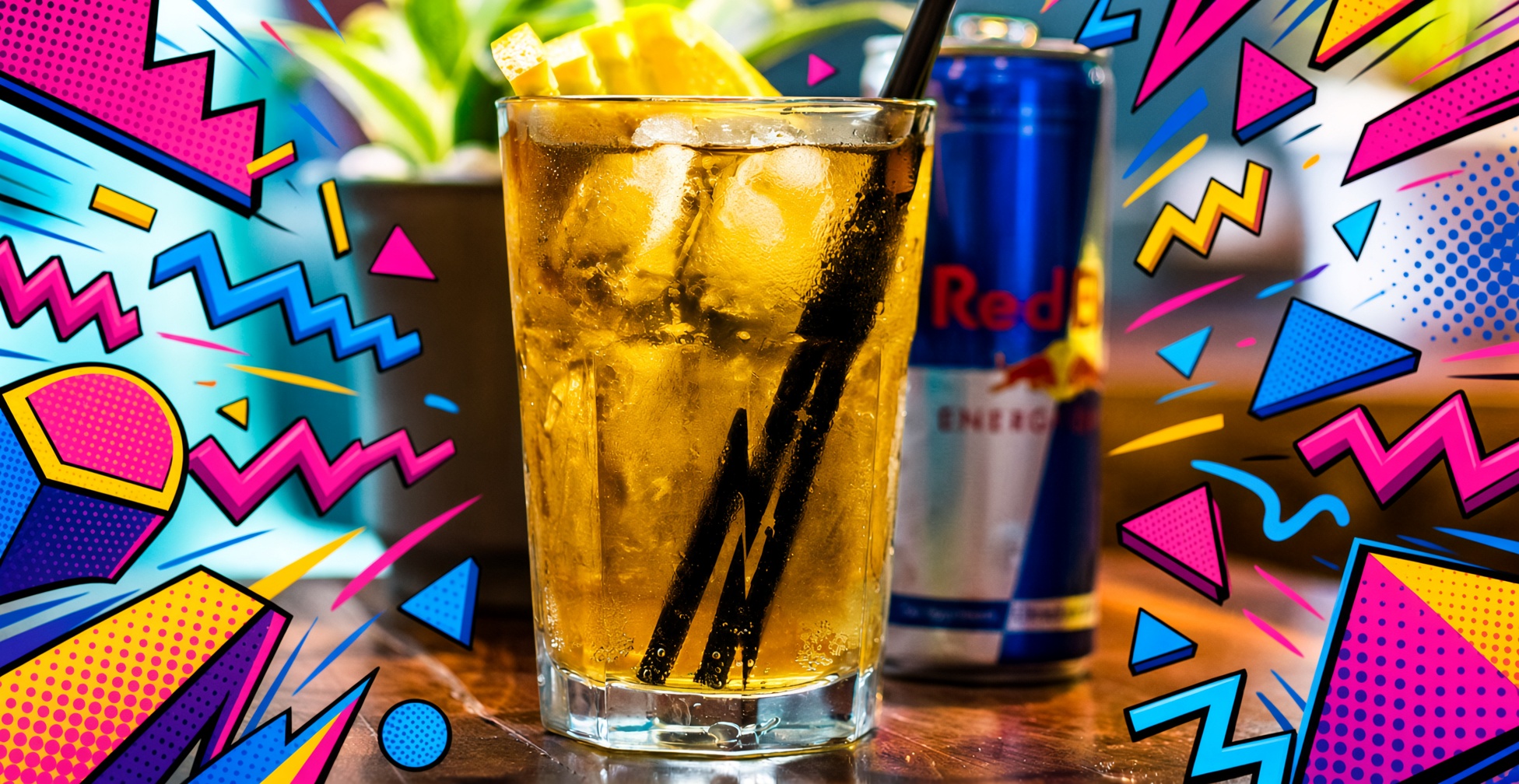
Red Bull’s commercial formula is a trade secret. Homemade versions use the same functional ingredients—caffeine, taurine, B vitamins, sugar or sweetener, citric acid, and carbonated water—and build a citrus-spice syrup that approximates the flavor. The result is a drink you control. It does not match the canned product identically.
A standard 8.4-ounce Red Bull contains roughly 80 mg of caffeine and about 1 gram of taurine. Most adults tolerate up to 400 mg of caffeine per day from all sources. Single doses above 200 mg raise no general safety concern for healthy adults according to European Food Safety Authority guidance, but individual tolerance varies. Pure caffeine powder is highly concentrated. One level teaspoon can contain the caffeine of roughly 28 cups of coffee. The FDA has warned that bulk pure caffeine powder is difficult to measure safely with ordinary kitchen tools and has been linked to overdoses, including deaths. Use a milligram scale. Do not eyeball. Do not use if you have a heart condition, are pregnant, or are sensitive to stimulants. Children and adolescents should not consume energy drinks.
Citrus-and-spice syrup base
Start with an oleo saccharum. Peel several oranges and lemons. Coat the peels thoroughly with granulated sugar. Cover and leave at room temperature from overnight to several days. The sugar draws out the citrus oils and forms a syrup. Strain and reserve the liquid.
Simmer a cup or two of water with additional citrus peels and optional aromatics—sliced ginger, a small piece of ginseng, or a pinch of licorice root—for 5–10 minutes. Strain. While the liquid is still warm, dissolve sugar (or your preferred sweetener), food-grade taurine powder (commonly 1 g per finished serving), and a carefully weighed amount of caffeine (target 80 mg per serving, or less). Add lemon juice or food-grade citric acid for tartness. Let the mixture cool. Stir in a B-complex powder or liquid that includes B3, B5, B6, and B12. Some recipes also add a small amount of glucuronolactone or inositol; these are optional and not required for the basic profile.
The cooled syrup is the concentrate. Store it refrigerated.
Assembly
Measure a portion of the syrup into a glass. Top with cold sparkling water or soda water. Stir gently once. Over-stirring flattens the carbonation. A home carbonator can be used on a diluted base if preferred. Adjust the syrup-to-water ratio to taste. Typical finished volume per serving is 8–12 ounces.
Faster powder method
Some people skip the long oleo saccharum and mix dry ingredients directly. A common starting ratio is equal parts guarana or caffeine powder, taurine, and citric acid, with twice that amount of sweetener, plus a few drops of fruit flavoring (berry, citrus, or apple). Dissolve thoroughly in a small amount of warm water first, then dilute with cold carbonated water. The same caffeine-measurement rule applies. Guarana contributes additional caffeine beyond what is listed on the powder; account for the total.
Flavor-only approximations
A non-stimulant version can be made with club soda or lemon-lime soda, simple syrup, citric acid, and a combination of pineapple, red raspberry, green apple, and a drop of vanilla or almond extract. A pinch of salt improves the profile. This copies the taste without the functional ingredients.
Commercial Red Bull can also be used as a base: pour it over ice, add a flavored syrup (peach, coconut, vanilla), and a splash of half-and-half or coconut milk if a creamier drink is wanted.
Practical notes
Food-grade taurine, citric acid, and B-complex powders are sold by supplement suppliers. Caffeine powder is available the same way; treat it as a concentrated chemical, not a kitchen spice. Label any concentrate you store so the caffeine content per volume is clear. Discard if it clouds, smells off, or has been at room temperature for extended periods.
The drink supplies the same core compounds found in commercial energy drinks. It does not replace sleep, food, or medical advice. Measure caffeine by weight every time. The difference between a usable dose and a toxic one is small when working with pure powder.